

Engine Oil and Filter Replacement: Why the Filter Matters as Much as the Oil
Most drivers think an oil change is just about swapping old oil for new. That’s only half the job. If the mechanic drains the oil but leaves the same filter sitting in there, you’re paying for fresh oil that gets dirty again almost immediately. That’s the part a lot of quick-lube shops skip past, and it’s the reason some cars never seem to run quite right even with regular oil changes. If you want your engine to actually benefit from a service, you need to replace engine oil and filter together, every time, not just when someone remembers. It sounds like a small detail. It isn’t.
Why an Oil Change Is More Than Draining Old Oil
Fresh engine oil does more than keep parts slippery. It lubricates every moving component inside the engine, carries away heat, and helps prevent the kind of metal-on-metal contact that wears an engine down over time. Without it, an engine would grind itself apart in minutes.
The oil filter is working right alongside that oil the entire time. It’s not a separate task tacked onto the service. It’s part of the same system, catching the dirt and debris that oil picks up as it circulates so that grime doesn’t keep cycling back through your engine.
When a shop changes only the oil and leaves the old filter in place, they’re solving half a problem. The new oil goes in clean, but it’s immediately running through a filter that’s already loaded with the debris from your last several thousand miles. That’s a shortcut, not a full service, even though it might look identical on the invoice.
What the Engine Oil Filter Actually Does
Inside your engine, oil doesn’t stay clean for long. It picks up metal shavings from normal wear, carbon buildup from combustion, and other small particles as it moves through the system. The filter’s job is to catch all of that before it can circulate back through and cause damage.
Over time, the filter fills up with everything it’s caught. A filter that’s done its job for six months is not the same filter it was on day one. It gets less effective at trapping new contaminants the more it accumulates, and eventually it can’t keep up with what’s coming through it.
When the oil is fresh and the filter is clean, they work together the way they’re supposed to. The oil lubricates and cools, the filter keeps it clean while it does that job, and the whole system stays protected. Take one of those two things out of sync with the other and you lose a good chunk of the benefit.
What Happens When an Old Oil Filter Is Left in Place
A filter that’s gone too long without replacement doesn’t just stop helping. It can actively work against you. As it fills with debris, it restricts how much oil can flow through it, and reduced oil flow means parts of your engine aren’t getting lubricated the way they need to be.
There’s also the contamination problem. Once a filter is saturated, it starts letting some of what it should be catching pass straight through. So the oil circulating through your engine isn’t as clean as you’d expect, even right after a service, because the filter that was supposed to keep it clean is no longer doing its job well.
This is where paying for fresh oil without a new filter really backfires. You’ve spent the money and time on an oil change, but the engine still isn’t getting fully clean oil, because it’s running through the same worn-out filter. That’s an easy way to feel like you’re keeping up with maintenance while the engine quietly wears down anyway.
The condition of the filter matters even more when a car has gone longer than it should between services. If you’re already behind on maintenance, a fresh filter isn’t optional at that point. It’s necessary. And if you’re noticing other warning signs, like unfamiliar smells or exhaust that smells stronger than usual, it’s worth getting that checked too. Exhaust emissions repair near me is a common search for drivers who assume it’s unrelated to their oil service, but a poorly maintained engine can throw off symptoms in more than one system at once.
How Often Should You Replace the Engine Oil and Filter?
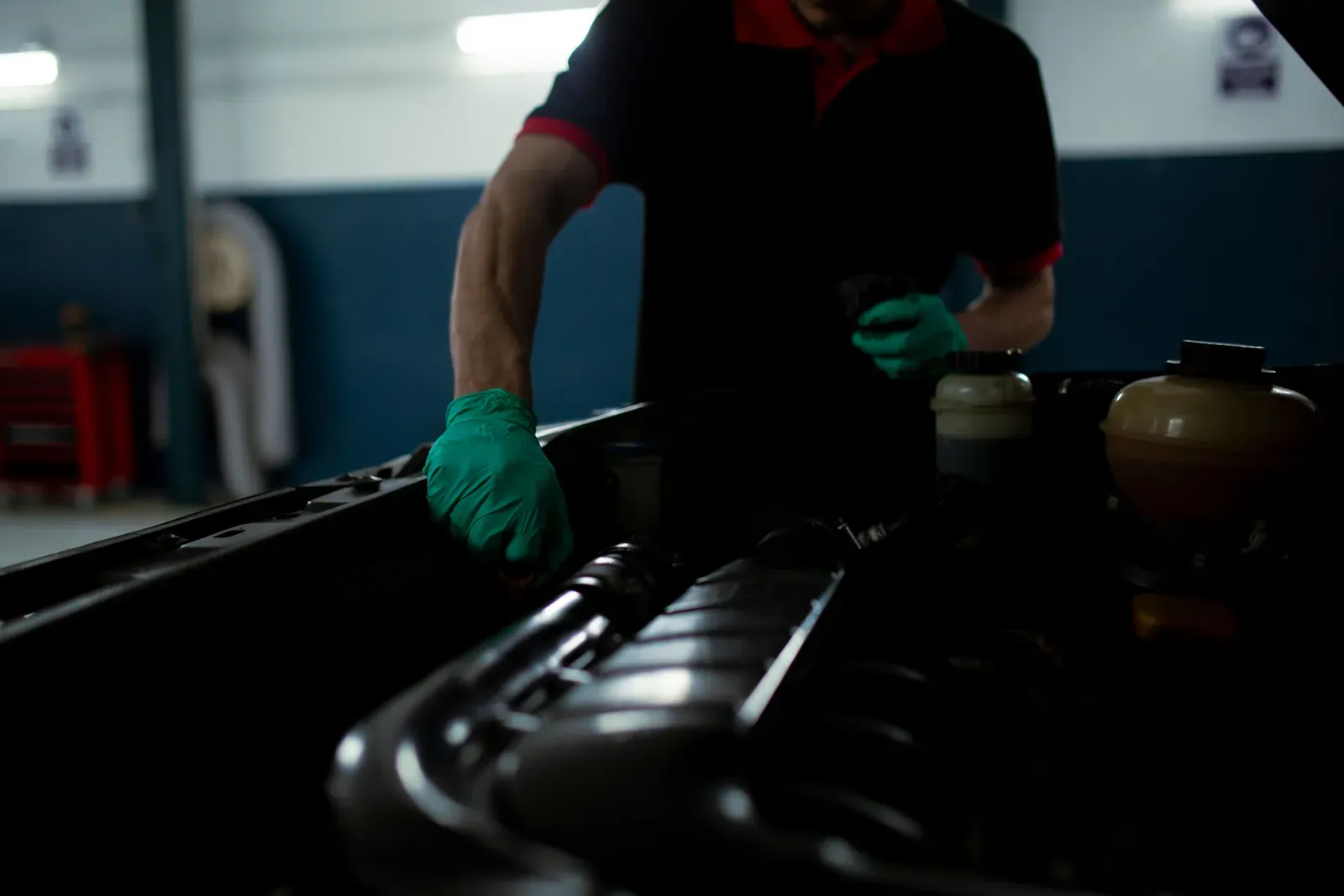
The manufacturer’s recommended interval is the starting point, and it’s there for a reason. Your owner’s manual will list a mileage or time-based interval, and that’s built around how your specific engine and oil type are designed to perform.
That said, the number in the manual isn’t the whole story. Driving conditions matter. Short trips, stop-and-go traffic, extreme heat or cold, towing, and dusty roads all put more strain on your oil than steady highway driving does. Vehicle age and mileage play a role too, since older engines with more wear tend to generate more contaminants for the filter to catch.
The type of oil you’re using factors in as well. Synthetic oil generally holds up longer than conventional oil, which can shift how often you need service. If your driving falls into what’s usually called severe conditions, stretching the interval to match a generic number on a sticker isn’t doing your engine any favors. It’s better to treat that mileage number as a guideline, not a rule that applies the same way to every car and every driver.
Choosing the Right Engine Oil and Filter
Not all oil is interchangeable. Different engines are built for different viscosities and specifications, and using the wrong one can affect performance and long-term engine health. This is one of those areas where checking the manual actually matters, rather than just grabbing whatever’s on sale.
Conventional oil, synthetic blend, and full synthetic oil aren’t just marketing tiers. They behave differently under heat and stress, and they break down at different rates. A full synthetic oil generally holds up longer and performs better in extreme temperatures, which is part of why it costs more. What works best depends on your engine, your driving habits, and sometimes your climate.
The same logic applies to the filter. It needs to match your vehicle and engine, not just fit in the same general size category. Getting the cheapest filter available might save a few dollars upfront, but a filter that isn’t built to the right specification for your engine won’t do the same job as one that is. If you’re due for brake service Ann Arbor drivers trust, that same shop should be treating oil and filter selection with the same level of attention rather than defaulting to whatever’s cheapest on the shelf.
Signs Your Vehicle May Be Due for an Oil and Filter Service
Your car usually gives you a few hints before things get serious. A maintenance reminder or oil change light on the dashboard is the most obvious one, but it’s not the only signal worth paying attention to.
If you check your oil and it looks unusually dark or gritty, or if the level has dropped more than expected between checks, that’s worth addressing. A noisier engine than usual, especially a ticking or knocking sound, can also point to oil that isn’t doing its job anymore. And if you’ve simply lost track of when your last service happened, or you know you’ve gone past the recommended interval, that’s reason enough to get it looked at rather than waiting for a warning light to confirm it.
Why the Filter Should Be Part of Every Oil Change Conversation
If you’ve had oil changes done at different shops over the years, it’s worth asking directly whether the filter gets replaced every time, not just assumed. Some quick-service locations cut corners here, especially on discounted oil change promotions, and there’s no way to know unless you ask or check your paperwork.
A proper service should document what oil and filter were actually used. That’s part of good car maintenance oil change records, and it makes life easier down the road if you ever need to reference what was done and when. Keeping those records also helps a new shop pick up where the last one left off instead of guessing.
This is a small thing to check, but it’s the kind of small thing that adds up. Paying for fresh oil while the filter goes untouched means you’re not getting the full value of the service, even if the receipt says otherwise.
Oil Change and Filter Replacement in Ann Arbor
Pit Pros Auto Repair handles oil and filter service the way it’s meant to be done, with both parts of the job treated as equally important. The shop’s focus stays on routine maintenance done right, not rushed through to get to the next car in line.
Connect with us when you’re due for a service, and if you haven’t had your oil changed recently, this is also a good time to take advantage of the current oil change offer while getting a filter replacement that actually matches your engine’s needs. Staying ahead of routine maintenance is a lot cheaper than fixing what gets missed.